Hours: M-F: 8:00 a.m. - 4:30 p.m.
After Hours Phone: 563-326-8618
DEAF RELAY: (Hearing or Speech Impaired) 711 or 1-800-735-2942
Number is available 24/7 to report public health emergencies.
Weekend Disease Reporting Hotline: 1-800-362-2736



Hours: M-F: 8:00 a.m. - 4:30 p.m.
After Hours Phone: 563-326-8618
DEAF RELAY: (Hearing or Speech Impaired) 711 or 1-800-735-2942
Number is available 24/7 to report public health emergencies.
Weekend Disease Reporting Hotline: 1-800-362-2736
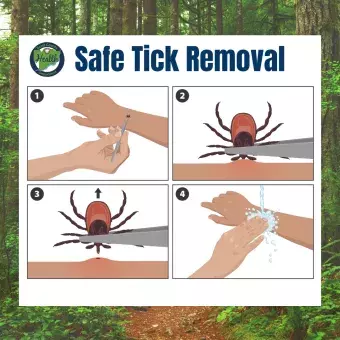
Did you know that the Iowa tick season starts in April? Ticks are common throughout the summer and often become less of a problem after cooler weather arrives. Ticks come in a variety of colors, sizes, and shapes. Some carry illness and disease so it’s important to check pets and people for ticks after being outside.
How to reduce tick exposure:
How to remove a tick:
Additional information & sources:
Hours: M-F: 8:00 a.m. - 4:30 p.m.
After Hours Phone: 563-326-8618
DEAF RELAY: (Hearing or Speech Impaired) 711 or 1-800-735-2942
Number is available 24/7 to report public health emergencies.
Weekend Disease Reporting Hotline: 1-800-362-2736